EARTH RESISTANCE TESTING SERVICES
Proper earthing is one of the most critical safety measures in any electrical installation. It provides a safe path for fault currents and lightning surges to dissipate into the earth, protecting people, equipment, and property from electrical hazards. At CRP Control Engineers, we specialize in comprehensive Earth Resistance Testing Services across India to verify and enhance the effectiveness of your grounding systems. Why is Earth Resistance Testing Essential? In electrical systems, an effective earthing system keeps electrical installations safe by minimizing the risk of electric shock, equipment damage, and fire hazards. Earth resistance testing evaluates how well your earthing electrodes are connected to the ground by measuring the resistance offered by the soil and grounding system.
- Low Earth Resistance ensures rapid dissipation of fault current.
- High Earth Resistance indicates poor grounding, posing safety risks and system malfunctions.
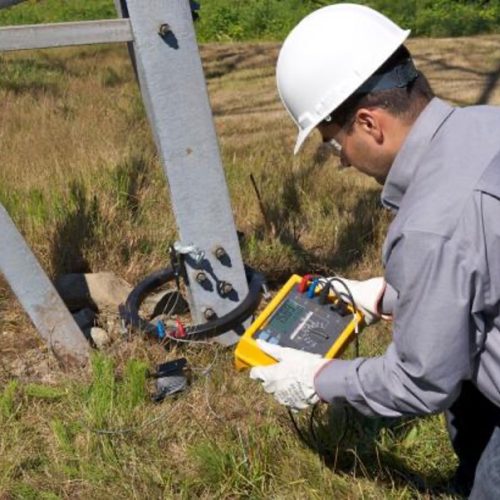
- Earth Pit Testing: Using the standard 3-point or 4-point fall-of-potential method, we accurately measure the resistance between the earth electrode and the surrounding soil.
- Online Earth Pit Testing: This advanced, non-intrusive testing method uses a clamp-on earth ground tester to measure earth resistance without disconnecting the earth electrode. This allows quick, safe, and accurate testing even in live systems, minimizing downtime and improving safety during maintenance.
- Soil Resistivity Testing: This test determines the conductivity of soil at different depths to help design effective earthing systems tailored to local soil conditions.
- Earth Continuity Testing: We verify the continuity and integrity of earth conductors, ensuring a continuous low-resistance path to earth.
- Testing for Lightning Protection Systems: Verification of earthing systems designed to protect structures against lightning strikes.
- Preventive Maintenance & Routine Inspections: Regular testing to detect deterioration or corrosion in earthing systems, helping prevent failures before they occur.
- Detailed Reporting & Recommendations: We provide comprehensive test reports with graphical data and practical recommendations for improving your earthing system performance.
- Compliance with Safety Regulations: Ensures your installation meets statutory requirements set by Indian Electricity Rules and safety standards.
- Protection Against Electrical Hazards: Reduces the risk of electrical shocks, fire hazards, and equipment damage in factories, commercial complexes, residential buildings, and data centers.
- Optimized System Performance: Proper earthing reduces electrical noise and improves the performance of sensitive electronic and communication equipment.
- Customized Solutions as per Soil Conditions: Our testing accounts for India’s diverse soil types, seasonal variations, and environmental factors, ensuring precise analysis and recommendations.
- The number of earth pits needed
- The size and material of the earth rods
- How deep the rods should go
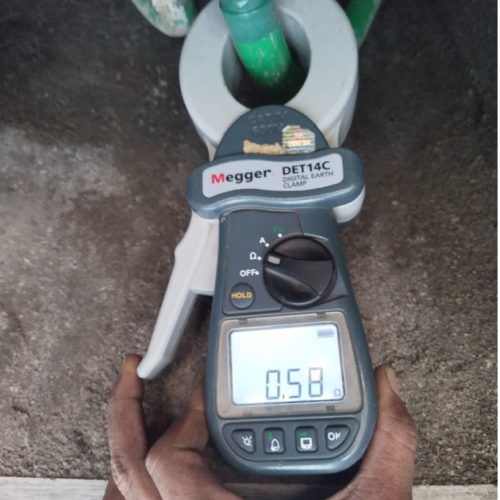
Earth Testing at Earth Pits